
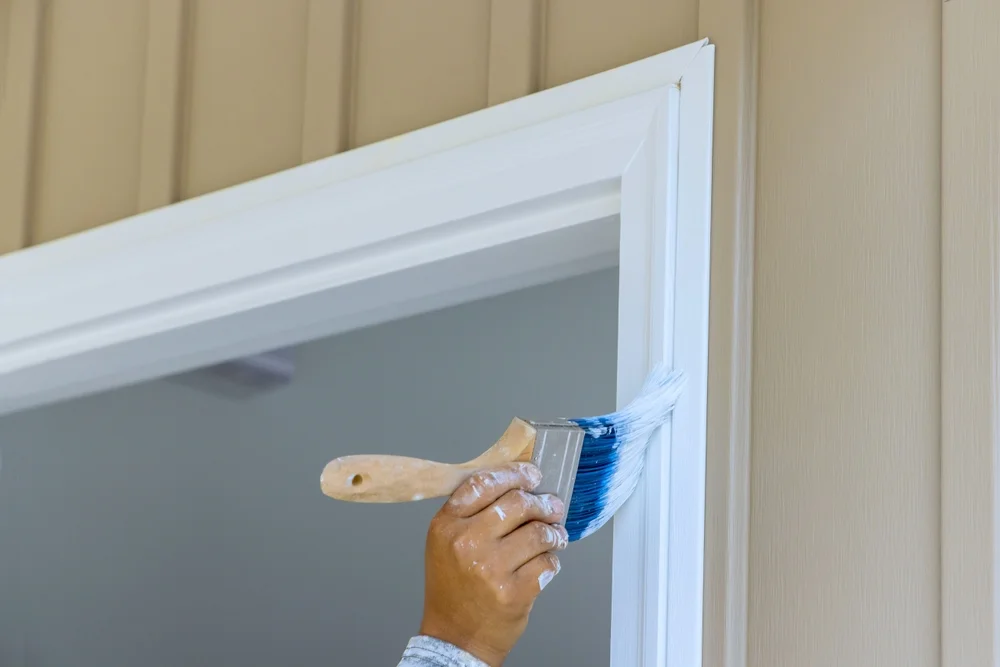
Hot, humid summer weather can do real damage to exterior wood before most people notice. Boards swell, paint softens, and small flaws grow into bigger repairs faster than expected. Good exterior wood repair and painting work helps keep those problems from taking over your home.
Exterior Wood Repair And Painting
Exterior wood repair and painting starts with a close look at the surfaces that take the most abuse. Porch trim, window casings, fascia, and siding edges often show wear first in humid weather. When those areas fail, the damage can spread into nearby boards before long.
Moisture is the main troublemaker in summer. Humid air keeps wood from drying out fully, and that can weaken both the board and the paint above it. If you want the finish to last, the wood underneath has to be in decent shape first.
We always think of repair and painting as one job, not two separate ones. If the wood needs fixing, the paint should wait until the surface is sound. That approach gives the exterior a better chance to hold up once the season gets rough.
What Humidity Means for Exterior Wood Repair and Painting
Humidity causes wood to expand, then contract when things dry out again. That movement can split boards, crack caulk, and loosen old paint along the edges. Exterior wood repair and painting get harder when the material keeps changing shape under the coating.
Soft spots often show up around windows, porch posts, and bottom trim boards. These areas soak up moisture more easily, especially after storms. If you catch the problem early, the repair is usually smaller and less costly.
Warm, damp air also slows drying time for repairs and coatings. That means a rushed job can leave the surface unstable under the new paint. The final finish may look fine at first, then fail sooner than it should.
Repair First
Exterior wood repair and painting should always begin with the wood itself. Rotten or split boards need to be replaced or patched before any coating goes on. Paint cannot hide damage that keeps growing under the surface.
Loose trim and failing joints also deserve attention. Those spots often allow water to enter and keep the wood wet inside. Once that happens, the damage can linger even if the outside still looks okay.
We take time to check for hidden wear around edges and seams. That helps us avoid painting over a problem that is already spreading. A careful repair stage gives the whole project a stronger start.
Prep Makes The Finish Work
Before exterior wood repair and painting move ahead, the surface needs to be ready. That usually means scraping loose paint, sanding rough spots, and cleaning away dirt or mildew. Those steps help the new finish sit better and look cleaner.
Caulk is another important part of the process. Gaps around trim and joints can let moisture back in, which weakens the whole job. Fresh caulk supports both the repair and the paint that follows.
If you want to see how that kind of careful work shows up in the final result, look through our our work page. It gives a good sense of how much difference prep and detail make on real homes. Strong finishes usually start with patient groundwork.
Where Summer Damage Shows Up
Porches are one of the first places to show summer wear. Railings, posts, and floor trim deal with heat, moisture, and direct sun all at once. Exterior wood repair and painting in those spots can keep the structure looking cared for and help it last longer.
Window frames also take a beating in humid weather. Small cracks around the casing can let water slip inside and start softening the wood. Once that happens, the paint may peel in patches and reveal the damage underneath.
Siding near the ground can also be a trouble area. Splashback from rain and trapped moisture can wear down boards faster than expected. That makes regular inspection important during the hottest months.
Exterior Wood Repair and Painting in Humid Weather
Painting in high humidity takes a little more patience than many people expect. The coating may need extra time to settle, and some surfaces may not be ready as fast as they look. Exterior wood repair and painting work best when the weather is warm but not heavy with moisture.
Direct sun can also make things tricky. A board may heat up fast and dry unevenly, which affects how the paint sits. Shade and airflow can help, but timing still matters a lot.
We often plan work around the day’s conditions instead of forcing the same pace everywhere. That helps the finish stay more even and dependable. Summer weather has its own rhythm, and the project should respect it.
Helpful Maintenance Habits
-
Inspect porch trim after heavy rain.
-
Keep plants from pressing against wood surfaces.
-
Watch for peeling around windows and doors.
-
Recaulk gaps before moisture gets deeper inside.
-
Repaint exposed areas before damage spreads farther.
These habits are simple, but they save a lot of trouble. They help homeowners catch issues before the wood starts breaking down more seriously. A little attention during summer can protect the whole exterior.
Our services page gives more detail on how we handle exterior projects and repairs. It is a useful place to start if your home has wood that needs both fixing and finishing. That combination matters when humidity keeps testing the surface.
FAQs About Exterior Wood Repair and Painting
Why does humid weather damage exterior wood?
Humid weather keeps moisture in the wood longer. That can lead to swelling, soft spots, and peeling paint. Over time, the material starts to break down faster.
Should repairs happen before painting?
Yes, repairs should always come first. Paint needs a stable surface to stick well. If the wood is damaged, the finish will not hold up as long.
What are the warning signs of wood damage?
Soft boards, cracked trim, peeling paint, and gaps in caulk are common signs. You may also see dark stains or warped edges. Those are clues that moisture has gotten in.
Can exterior painting happen in summer?
Yes, but the weather needs to be watched carefully. Heat and humidity can affect drying and curing. Good timing makes a big difference in the final result.
Which parts of the home need attention first?
Porch trim, window frames, fascia boards, and lower siding often need the most care. Those areas take the most moisture and sun exposure. They usually show damage before the rest of the exterior.
How do I get started with Matthew Freeze Painting?
Ready to get those summer-damaged boards back in shape? You can schedule an estimate to talk through your exterior wood repair and painting needs. We also post project updates on Instagram.